JOCHIM LABS
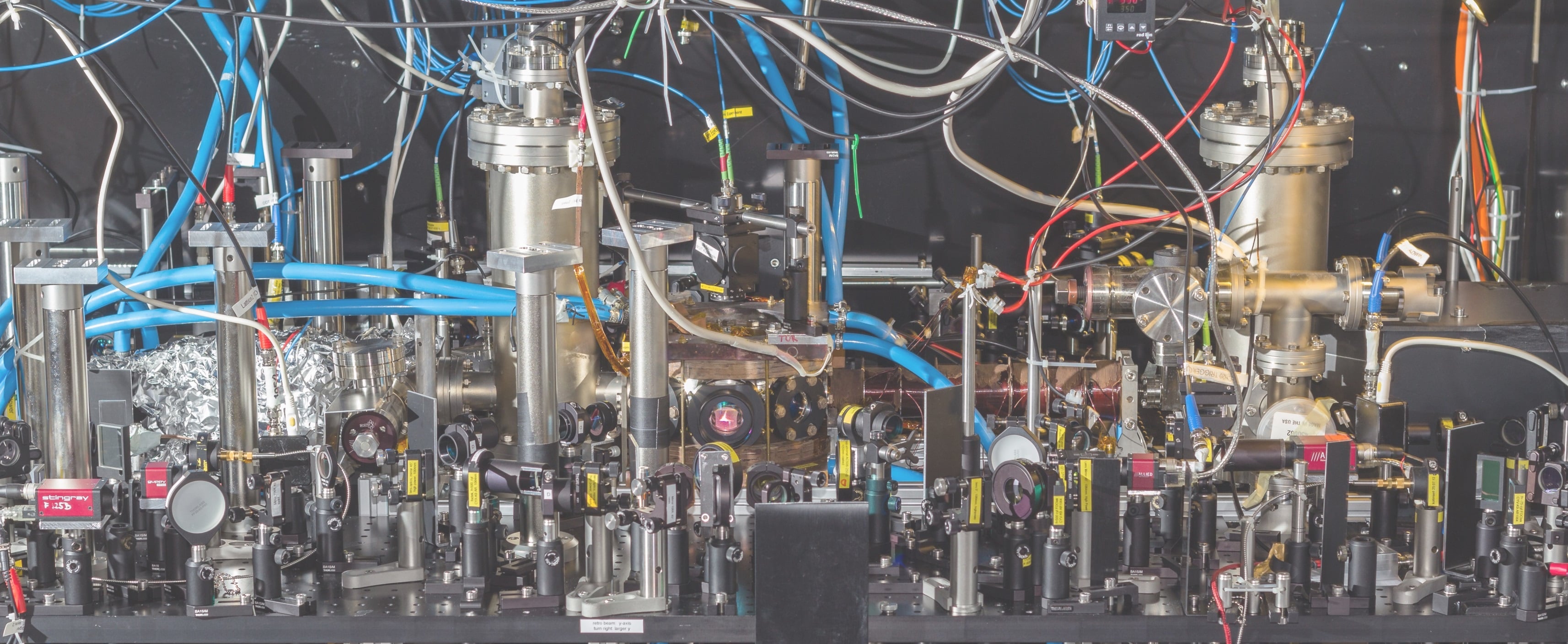
Our research group at the Physikalisches Institut of Heidelberg University performs fundamental research in the fields of quantum and atomic physics. In our experiments, we use ultracold atom clouds to understand how complex quantum systems behave. In particular, we are interested in questions related to how strong interactions, reduced dimensionality (1D and 2D) and finite system size affects the physical properties of a quantum system. More information on current research projects and the experimental setups can be found here.
NEWS
December 2024 - New paper in PRL and PRA
Feb 2024 - New paper on the Arxiv!
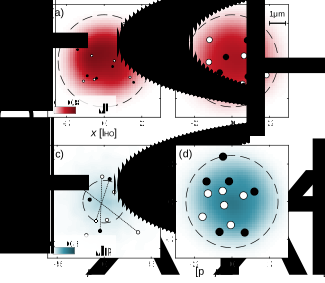
Single atom resolved imaging techniques have unlocked access to microscopic correlations in ultracold quantum gases. However they cannot be used when the relevant length scales are obscured by the resolution of the detection technique. We present a matterwave magnification scheme, based on evolutions in optical potentials, tailored to magnify the wave function of atoms, such that all length scales can be resolved. To showcase this method, we image atoms in the strongly interacting regime, establishing a new way to characterize correlated systems. Read the article here.
July 2024 - Philipp is a doctor
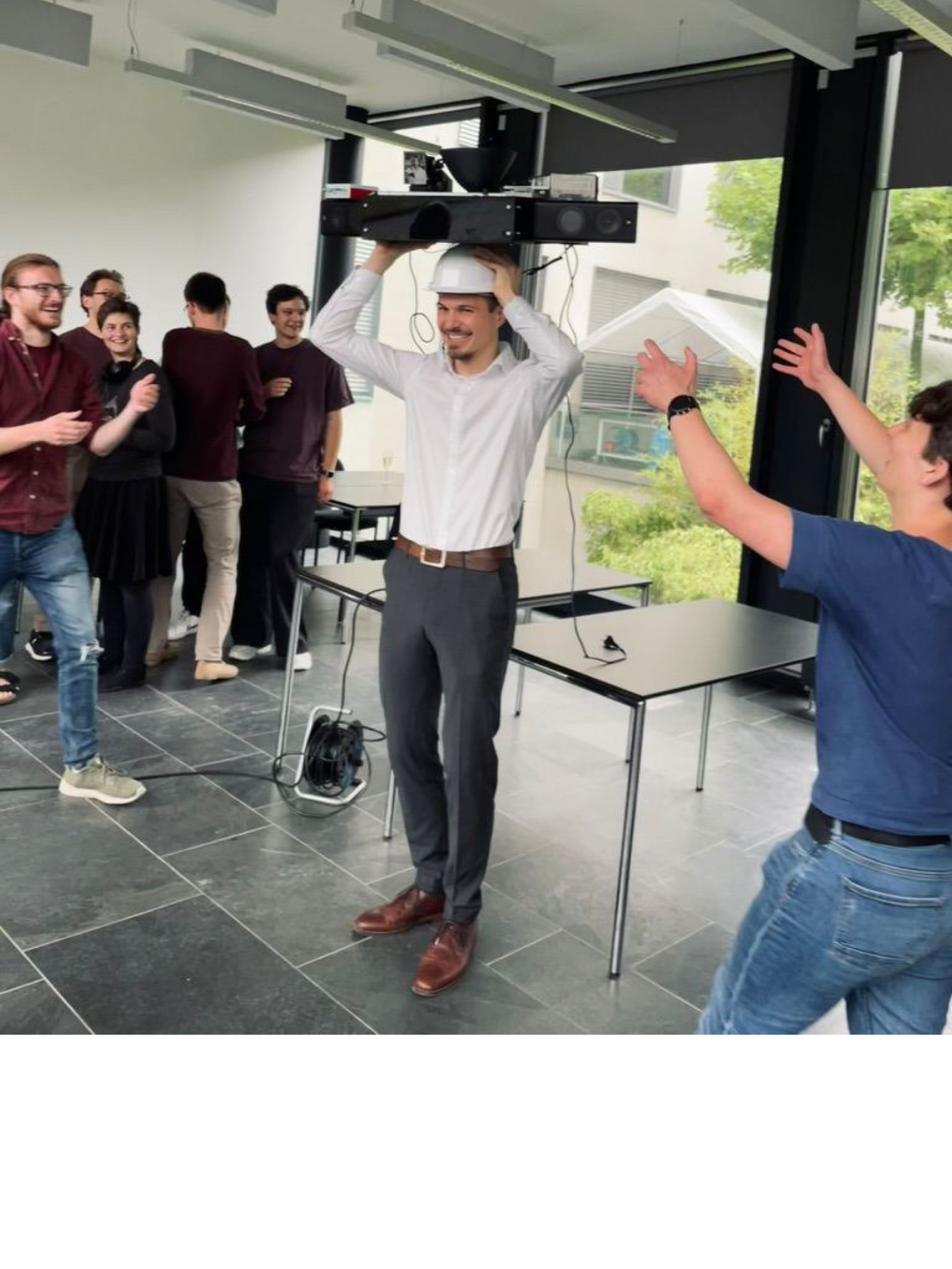
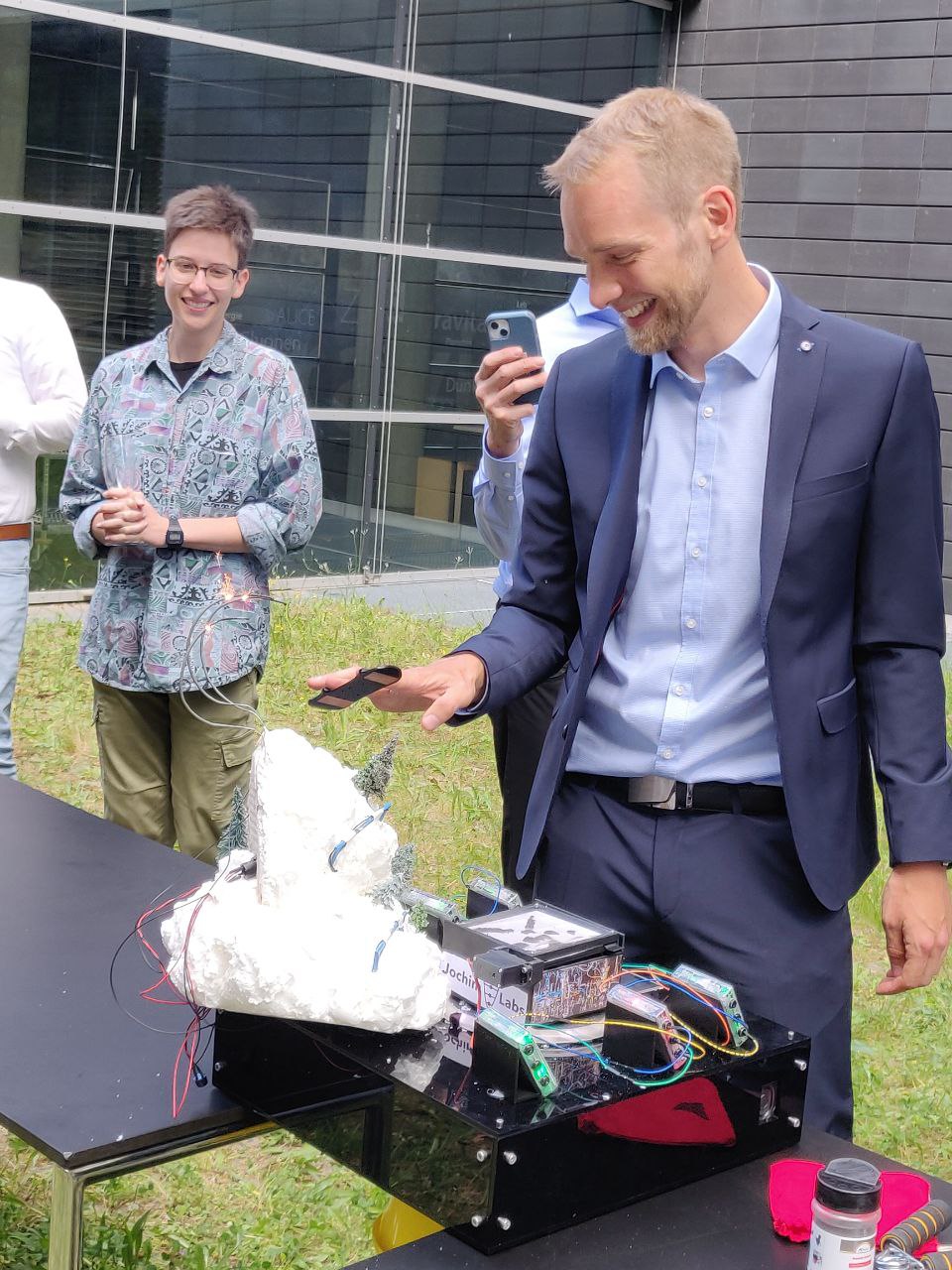
Well done Philipp! Recently we could celebrate the defense of Philipp's thesis "Rotating few-fermion systems"! Philipp took over our "Few Fermion" experiment and implemented a "rotating trap" in the setup to reach the quantum Hall physics with ultracold atoms. In a first set of experiments, he gained motional control of angular momentum eigenstates of a single atom. In a second experiment, the technique was then used to realize a Laughlin state of two particles - the fundamental building block of a fractional quantum Hall state. Read the thesis here)!
Feb 2024 - New paper on the Arxiv!
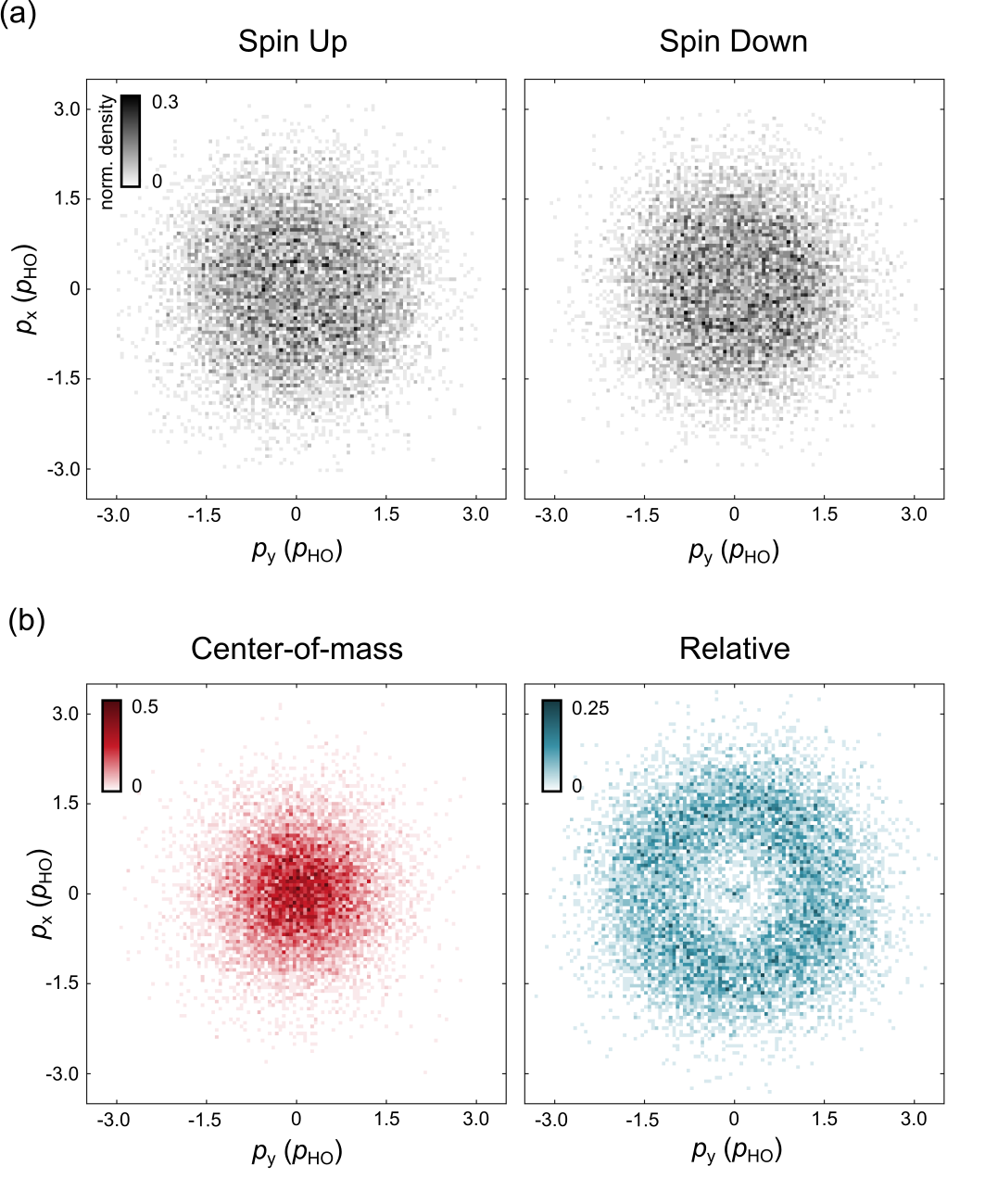
Strongly correlated phases of matter emerge in rotating atomic gases establishing a novel link to simulate condensed matter systems with ultracold atoms. In our latest study, we have realized a "baby version" of a fractional quantum Hall state. More precisely, we engineer the wavefunction of a Laughlin state with two rapidly rotating fermions and observe its striking features, including the incorporation of angular momentum in the relative motion of the particles which results in the suppression of inter-particle interactions. This provides us with an exciting tool to investigate the emergence of topological phases of matter ! Read the article here.
Aug 2023 - Lehrpreis for Tobias
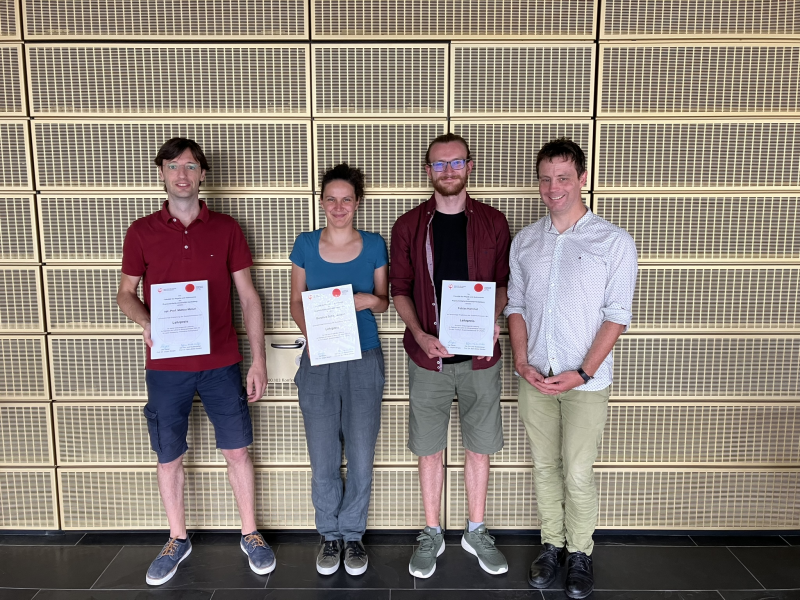
Each semester, the faculty honors tutors for outstanding tutorials based on surveys among the students. We are happy that we can announce that Tobi got the Lehrpreis for his tutorial in experimental physics III in the winter semester 2022/2023. Some of his students already found their way in our group. Read the article here.
Aug 2023 - The world's smallest fluid
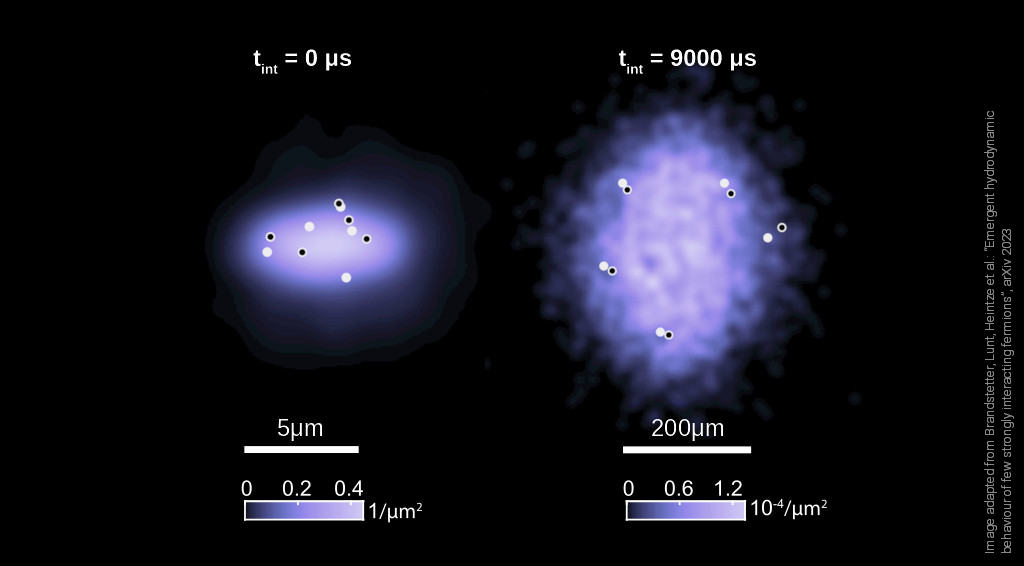
There is a STRUCTURES blogpost about our recent paper on the arxiv. The Cluster of Excellence STRUCTURES at Heidelberg University explores new concepts and methods for understanding how structure, collective phenomena, and complexity emerge from the fundamental laws of physics. Read the paper here.
Aug 2023 - Hydrodynamics preprint on the arxive!
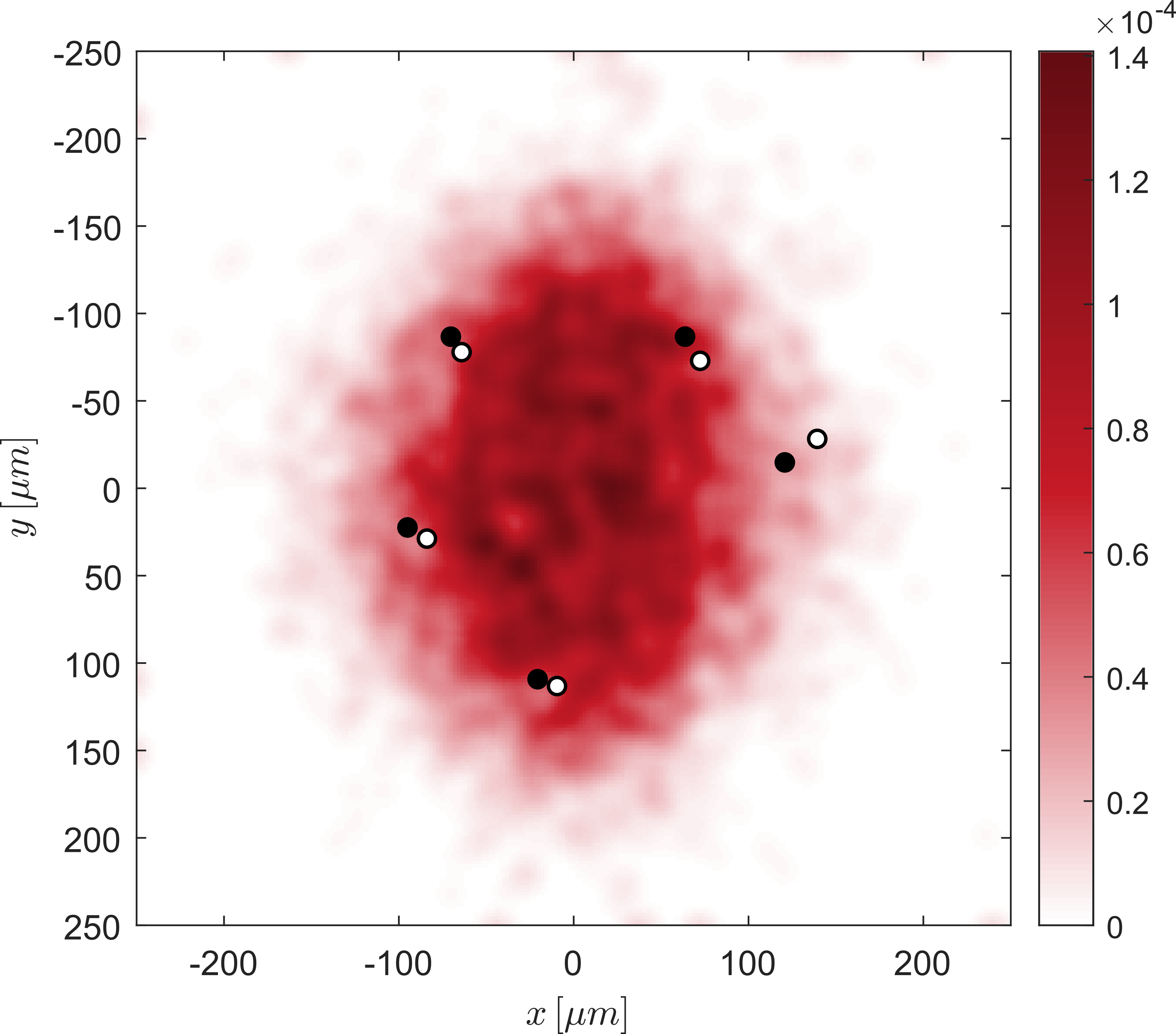
We demonstrate the emergence of hydrodynamics in a system with not more than 10 atoms. Our observation challenges the requirements for a hydrodynamic description, as in our system all relevant length scales, i.e. the system size, the inter-particle spacing, and the mean free path are comparable. The single particle resolution as well as deterministic control over particle number and interaction strength in our experiment allow us to explore the boundaries between a microscopic description and a hydrodynamic framework in unprecedented detail. Read the paper here.
June 2022 - Cooper pair paper published in Nature!
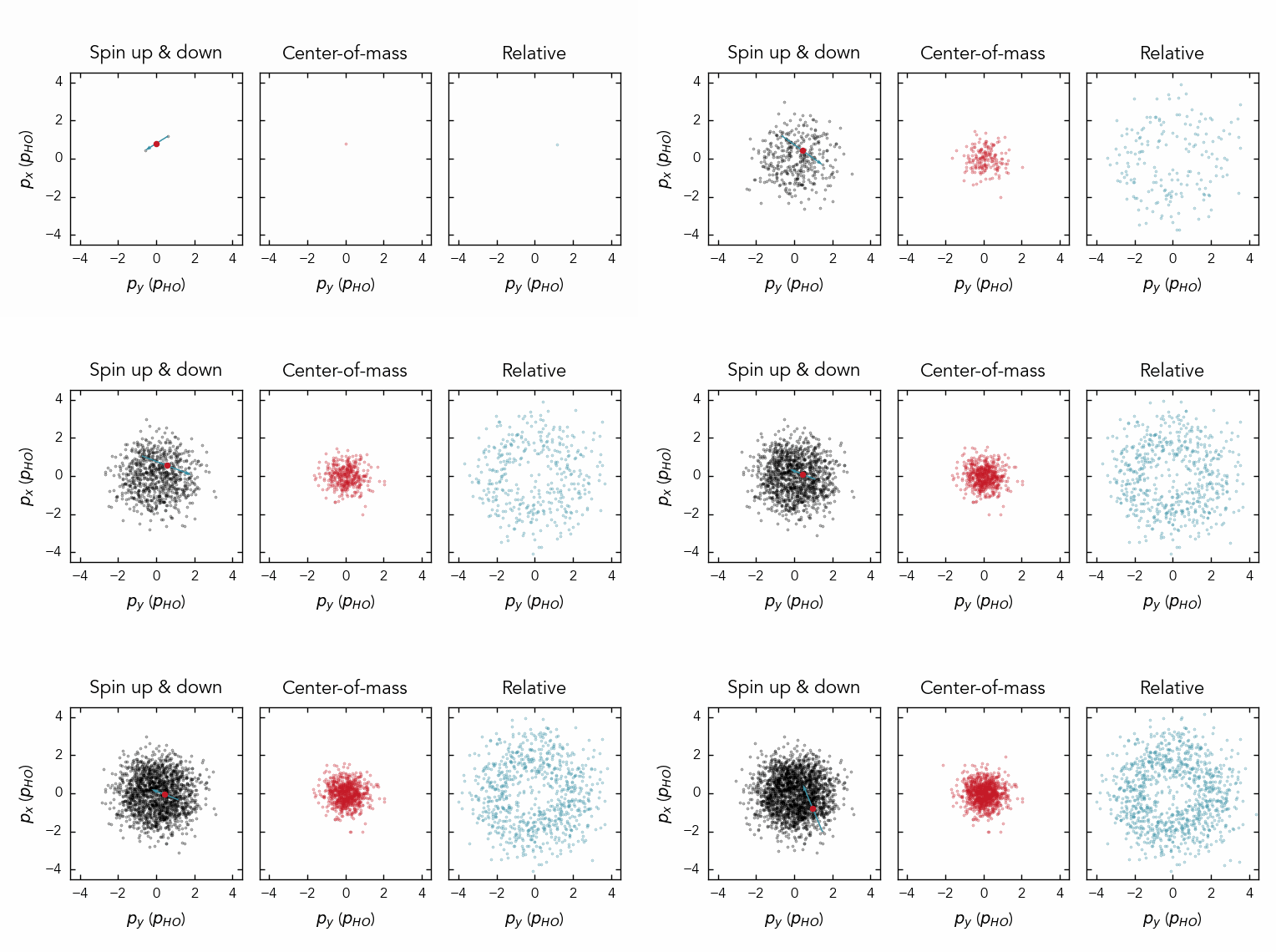
Here we directly observe Cooper pairs in a mesoscopic two-dimensional Fermi gas. We extract the full in situ momentum distribution of a strongly interacting Fermi gas with single-particle and spin resolution. Our ultracold gas enables us to freely tune between a completely non-interacting, unpaired system and weak attractions, where we find Cooper pair correlations at the Fermi surface. When increasing the attractive interactions even further, the pairs gradually turn into deeply bound molecules that break up the Fermi surface. With the precise control over the interactions, particle number and potential landscape in our experiment, the observables we establish in this work provide an approach for answering longstanding questions concerning not only such mesoscopic systems but also their connection to the macroscopic world. Read the paper here, .
June 2022 - Phd thesis finished
Congrats Marvin! Recently, Marvin finished his thesis "From Pauli Blocking to Cooper Pairs: Emergence in a Mesoscopic 2D Fermi Gas". How does collective behavior and superfluidity emerge in a mesoscopic 2D Femri gas? Working on this question, Marvin found a quantum anomaly, describing the violation of a classical scaling symmetry in a macroscopic Fermi gas. Afterwards following a bottom up approach, Marvin worked on small systems of 12 Fermions. Measurements of the excitation spectrum and momentum correlations lead to the discovery of a Higgs mode, the Pauli crystal and of Cooper pairs. Last but not least, Marvin and Luca set up our experimental control during their PhD. Read the thesis here.
Sept 2021 - New paper on the arxiv
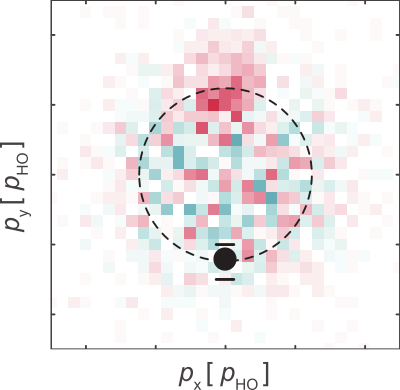
We report on the direct observation of Cooper pairs in a mesoscopic two-dimensional Fermi gas. Our imaging scheme enables us to extract the full in-situ momentum distribution of a strongly interacting Fermi gas with single particle and spin resolution. The Cooper pairs appear as correlated particles at opposite sides of the Fermi surface. Read the paper here.
June 2021 - Phd thesis finished
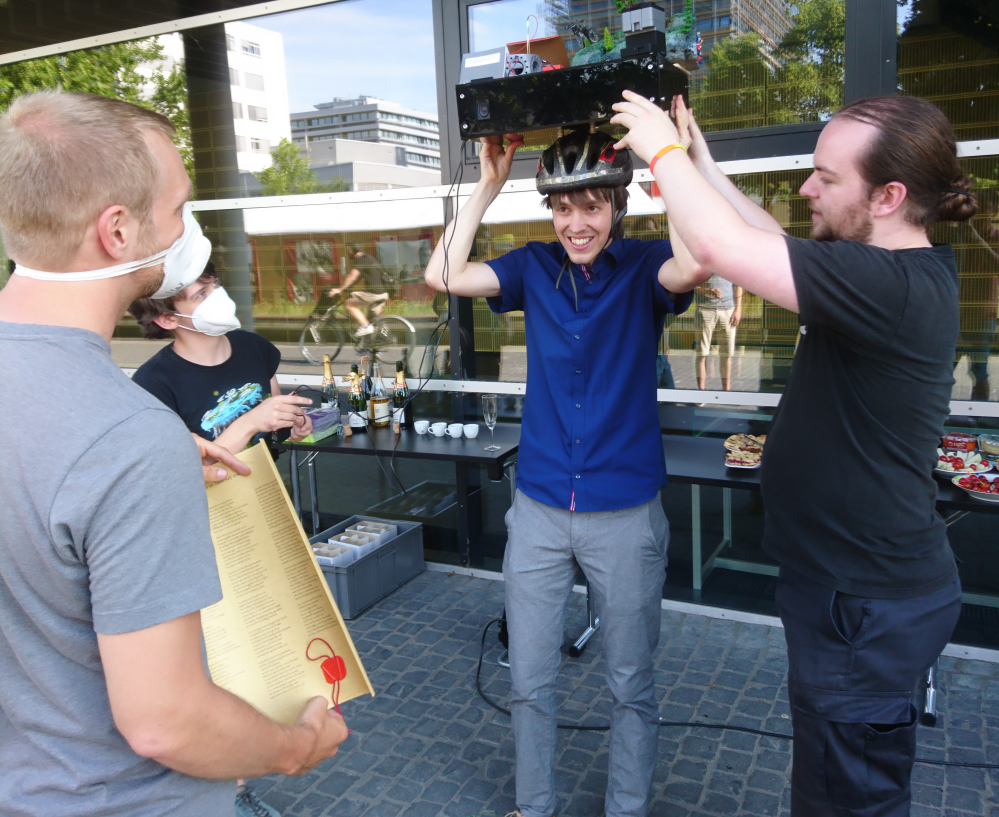
Congrats Ralf! Recently, Ralf finished his thesis "Correlations from Microscopic to Macroscopic Quantum Systems: Interactions vs Indistinguishability". He developed a novel high fidelity single-particle and hyperfine state resolved imaging system which was used to quantify strong correlations and entanglement in microscopic systems of two or three atoms in optical tweezers. Based on this, the preparation of deterministic mesoscopic quantum systems, given by up to twelve particles in a two-dimensional harmonic oscillator potential is described. Read the thesis here.
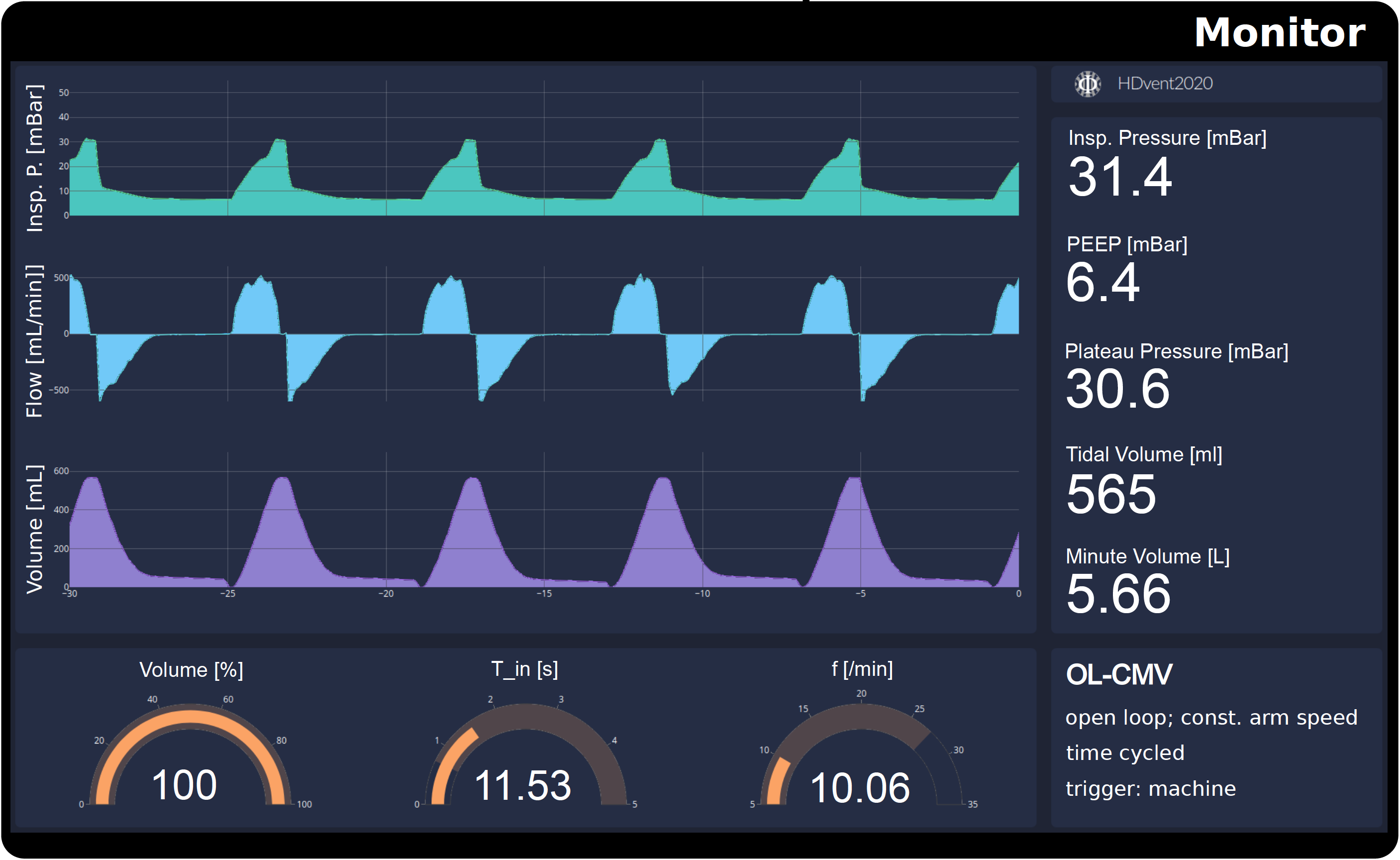
Apr 2021 - HDvent Emergency Ventilator finished
Mar 2021 - Article published in "Physik unserer Zeit"
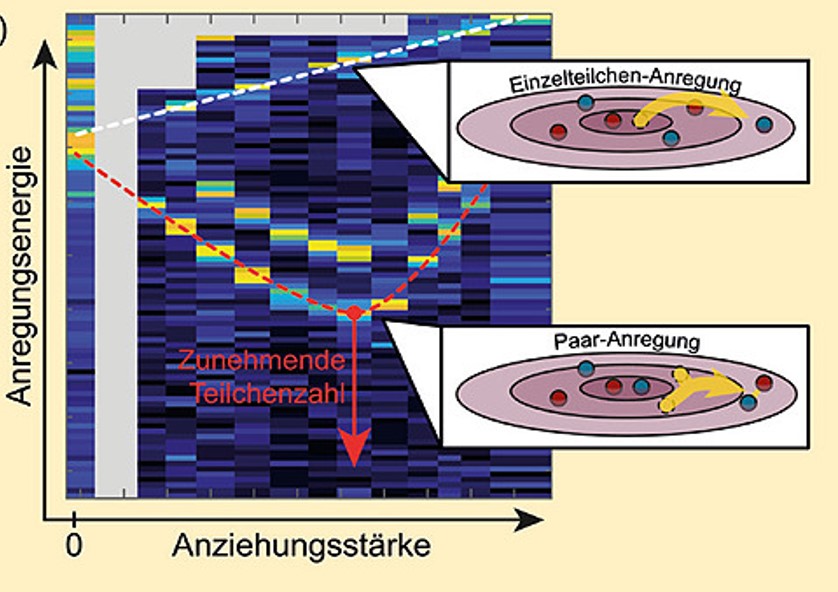
"Physik unserer Zeit" is a german magazine for physics students, teachers and others being interested in physics. In six issues per year, phenomena and new findings from all fields of physics are reported. We are proud to announce that our findings about "Pauli Crystals" and the "Higgs Mode" draw the attention of the editors and that the results got published in the current issue .
Jan 2021 - Paper published in PRL (Editors' Suggestion)
In this paper so-called Pauli crystals as a manifestation of higher order correlations were observed. In contrast to true crystalline phases, these unique high-order density correlations emerge even without any interactions present. Our work lays the foundation for future studies of correlations in strongly interacting systems of many fermions. Read the paper here
Nov 2020 - Paper published in Nature
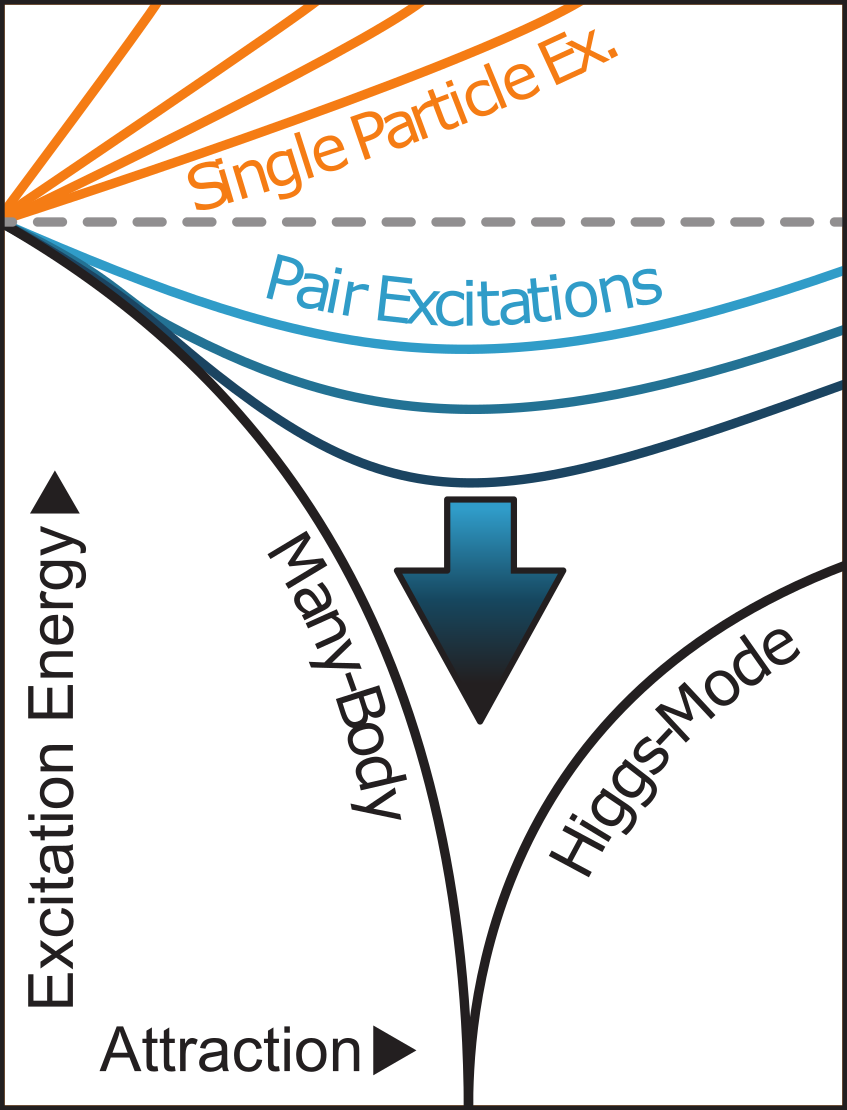
Our paper about a few-body precursor of a quantum phase transition from a normal to a superfluid phase was published in Nature. The transition is signalled by the softening of the mode associated with amplitude vibrations of the order parameter, usually referred as the Higgs mode. Used were mesoscopic systems of up to 12 atoms in closed shell configurations of an harmonic potential. Read the paper here
Oct 2020 - Paper published in PRL
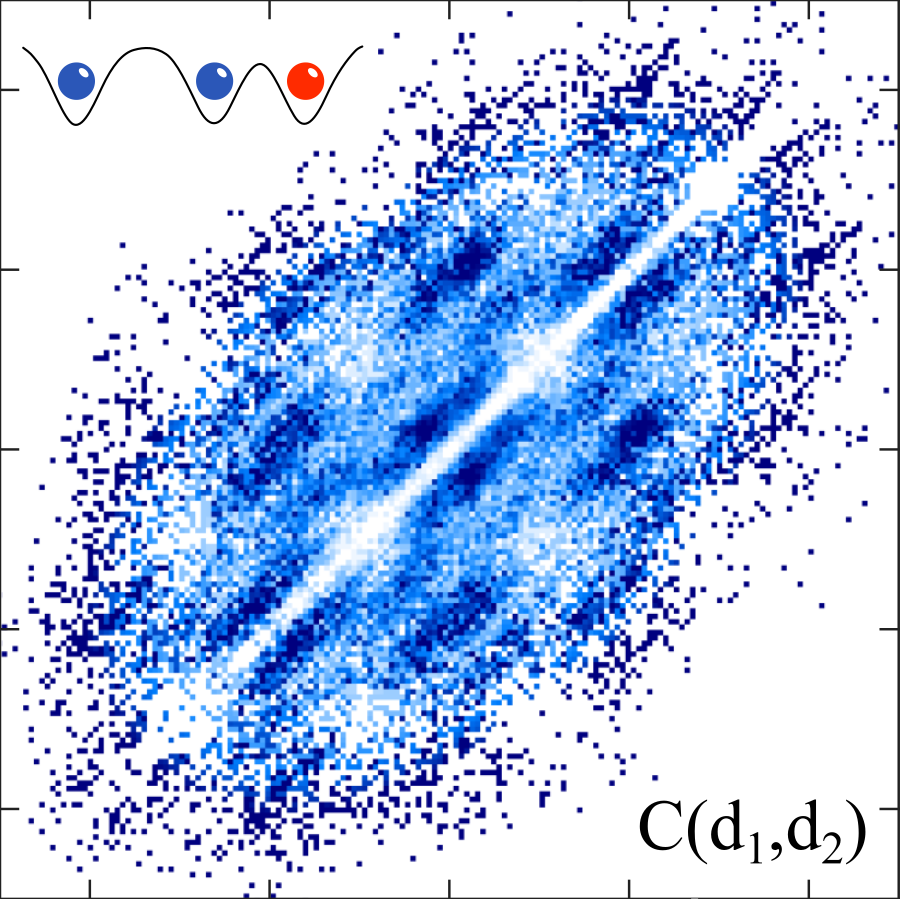
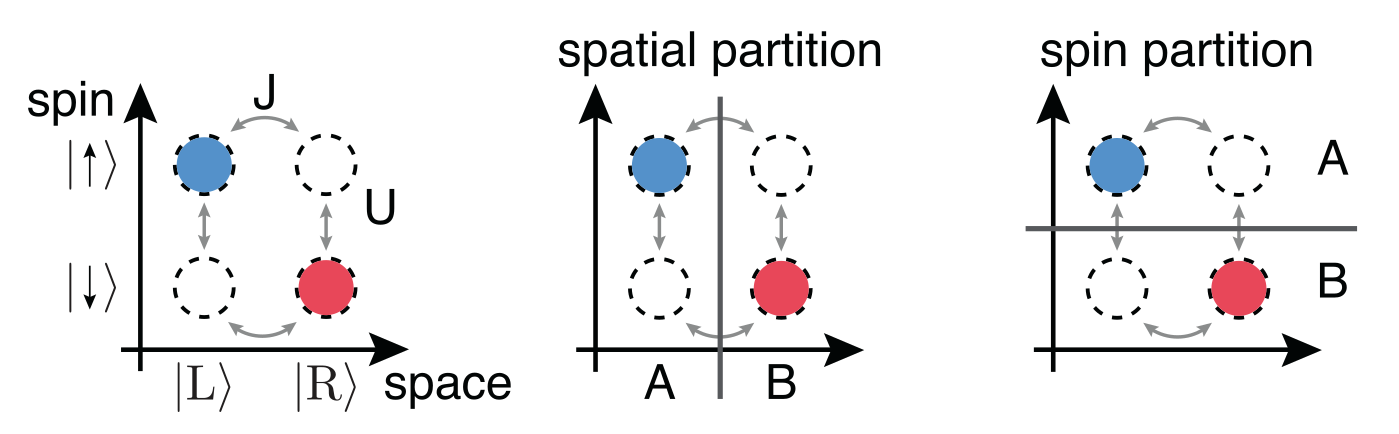
The relationship between symmetrization and entanglement was explored through measurements on few-particle systems in a multiwell potential. We measure and distinguish correlations arising from two different physical origins: antisymmetrization of the fermionic wave function and interaction between particles. We quantify this through the entanglementnegativity of states, and the introduction of an antisymmetric negativity, which allows us to understand the role that symmetrization plays in the measured entanglement properties. Read the paper here
Sept 2020 - ERC Grant for Philipp Preiss

Philipp Preiss has been awarded an ERC starting grant with the title UniRand - Random Unitaries in a Rapid Optical Lattice Simulator. Philipp will start a new project to look at many-body physics and random measurements in random bases in optical lattices. Please contact him ( Preiss) directly if you are interested in joining the project as a PhD or Masters student.
Aug 2020 - Paper published in NJP
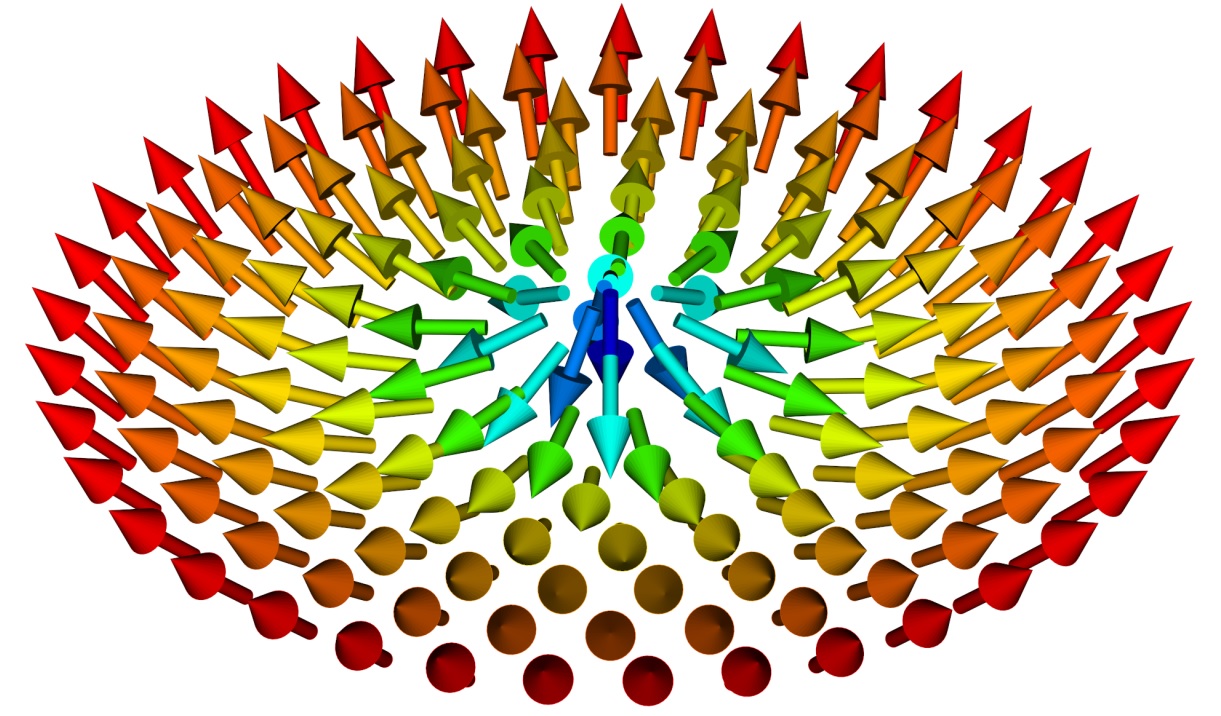
In this theory paper, we study fractional quantum Hall states that form in few-fermion systems in rotating traps. We find ground states that are very similar to magnetic skyrmions in condensed matter systems. The work was led by Master’s student Lukas Palm (now U Chicago) and in collaboration with Fabian Grusdt (TU München). Read the paper here.
Jul 2020 - PhD thesis finished
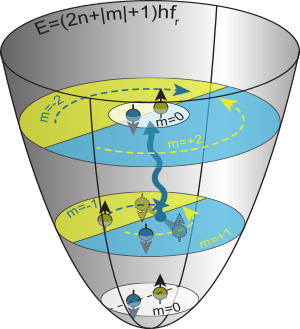
Luca finished his PhD. Luca investigated the emergence of many body physics in two dimensional few fermion systems. He found few body precursors of the Higgs mode in closed-shell configurations of 2, 6 and 12 atoms. By measuring the momentum distribution of up to 6 non-interacting fermions in the groundstate of the 2D trap he showed that the group can access the momentum distribution with single particle resolution. Read the thesis here.
May 2020 - PhD thesis finished
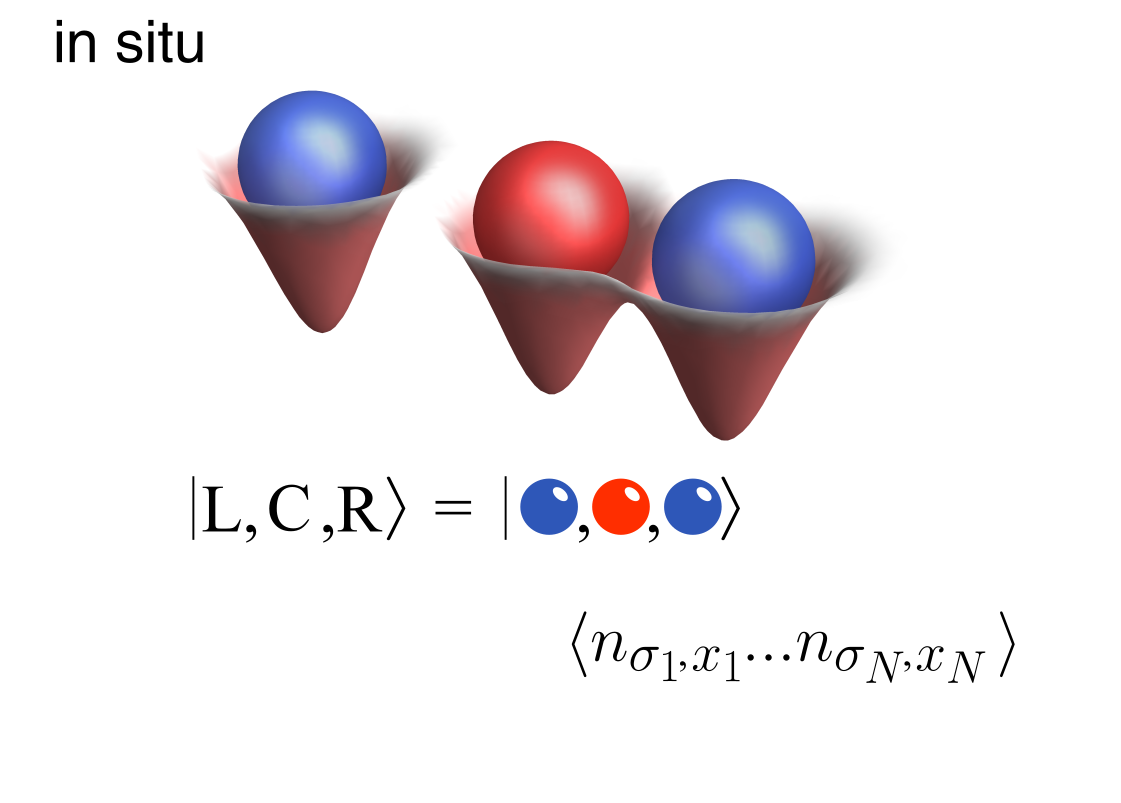
Jan Hendrik finished his PhD thesis. He did experimental studies on large ensembles of Erbium atoms and on few fermion Lithium systems in optical tweezers. Using momentum correlation measurements he investigated entanglement and antisymmetrization. Read the thesis here.
Jul 2019 - Paper published in Science
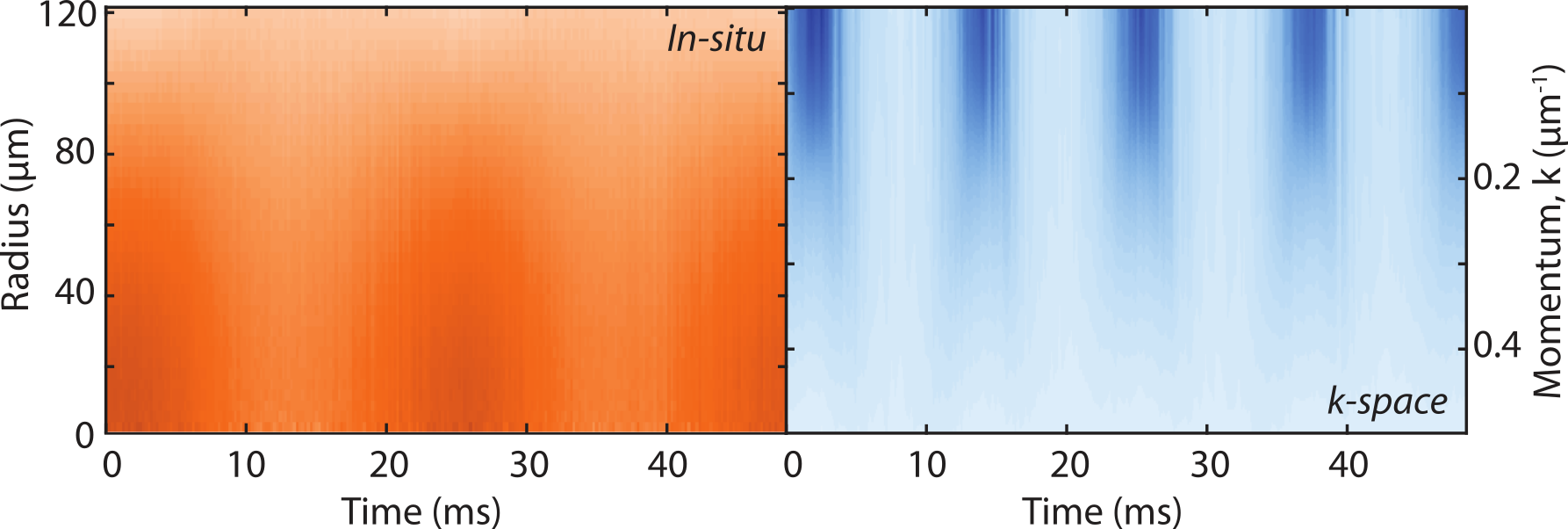
Our paper on the Quantum Scale Anomaly has been published in Science. In this paper we study momentum-space profiles of 2D superfluids and show that the quantum anomaly modifies their dynamics in the regime of strong interactions. Read the paper here.
Jul 2019 - Paper published in Nature Physics
Apr 2019 - Two papers published in PRL

We recently published two papers in PRL. In the first paper we studied the dynamics of two atoms released from an optical tweezer into a large optical dipole trap with inverted aspect
ratio. The project was done in collaboration with Qingze Guan and Doerte Blume from the university of Oklahoma. Read the paper here.
In the second paper we study momentum correlations between independently prepared identical fermions and characterize a source of three independent particles by measuring and analyzing the third-order momentum correlator. Read the paper here.
Jun 2018 - Imaging paper published in PRA
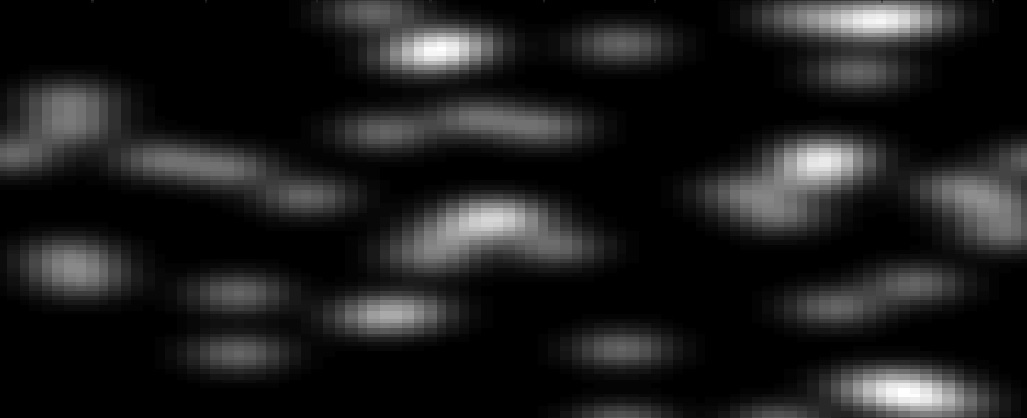
Our recent paper about our new imaging scheme has been published in PRA and has been selected for a PRA editors suggestion. Read the paper here. In the paper we presend a method to image single Lithium atoms in free space in a spin-resolved way. This will enable us to measure single-atoms resolved momentum correlation functions of mesoscopic fermi systems.
Jan 2018 - High-temperature pairing paper published in Science
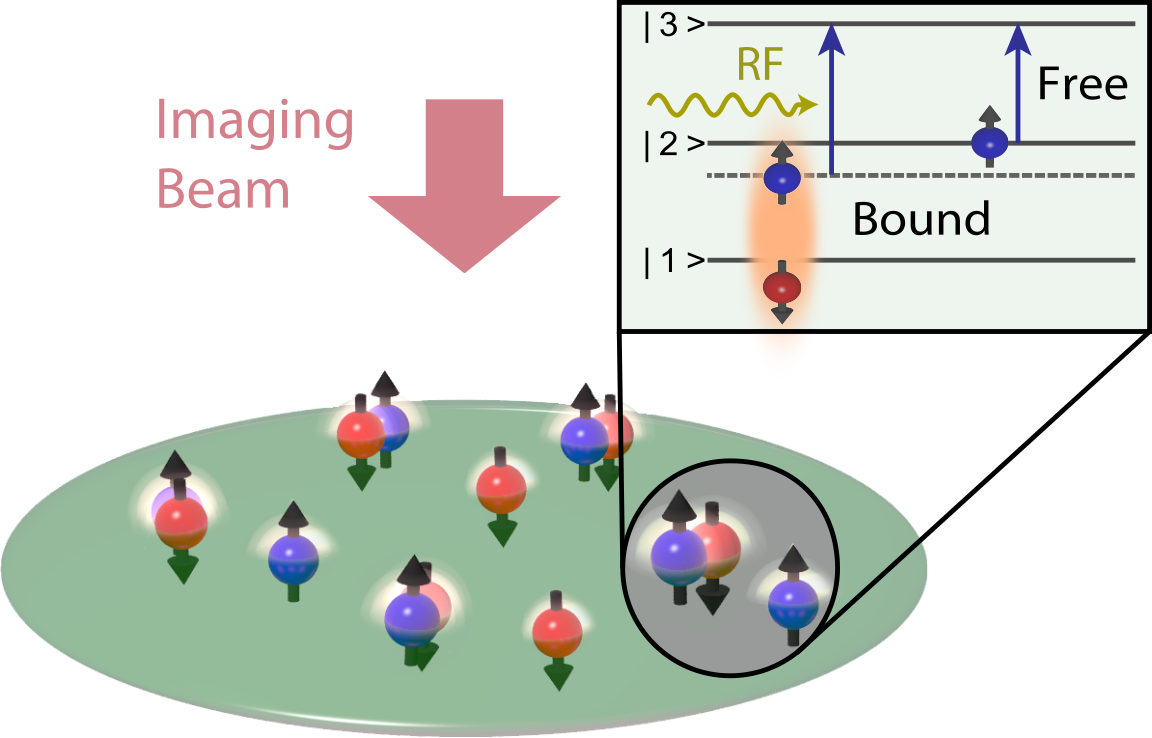
Our recent measurements from the 2D experiment on pairing in the normal phase of a 2D Fermi gas have been published in Science. Read the paper here.
Jan 2018 - PhD thesis finished
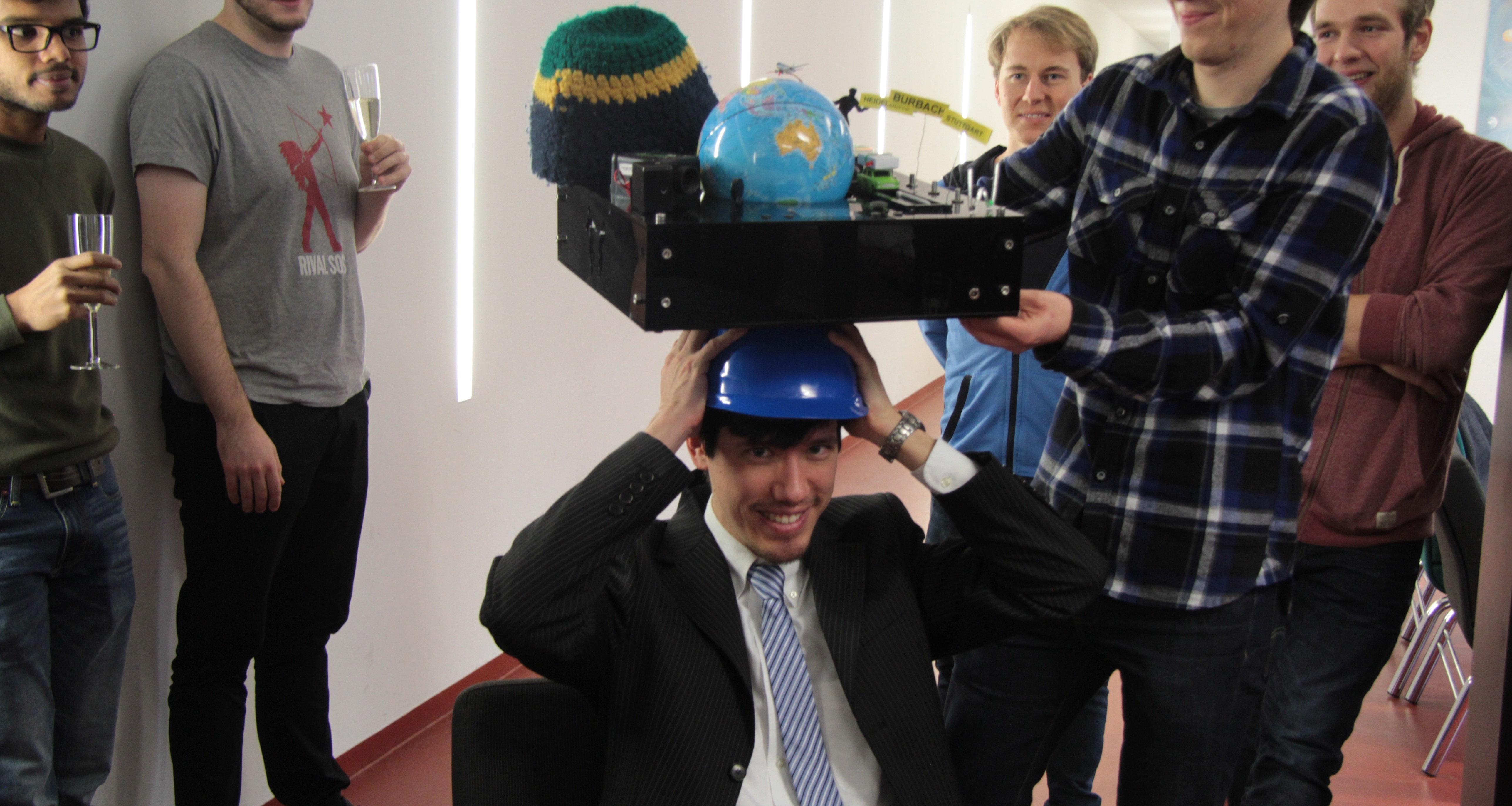
Vincent recently finished his PhD thesis. His thesis describes recent measurements of momentum correlation functions and entanglement in fermionic few-particle systems. The measurements were performed with our new spatially and spin-resolved, single-atom sensitive imaging method. In particular, Vincent studied the expansion dynamics of strongly interacting Fermi gases and the growth of correlations in the ground state of a double-well potential. The thesis can be found here.
Upcoming Conference: Beyond Digital Computing

Please check out the upcoming conference Beyond Digital Computing: The Power of Quantum and Neural Networks, which will be held at the International Academic Forum (IWH) Heidelberg from 19 to 21 March 2018. This collaboration between the STRUCTURES initiative, the Physics and the Kirchhoff Institute will bring together experts on quantum simulation, neuromorphic computing and machine learning.
Jul 2017 - PhD theses finished
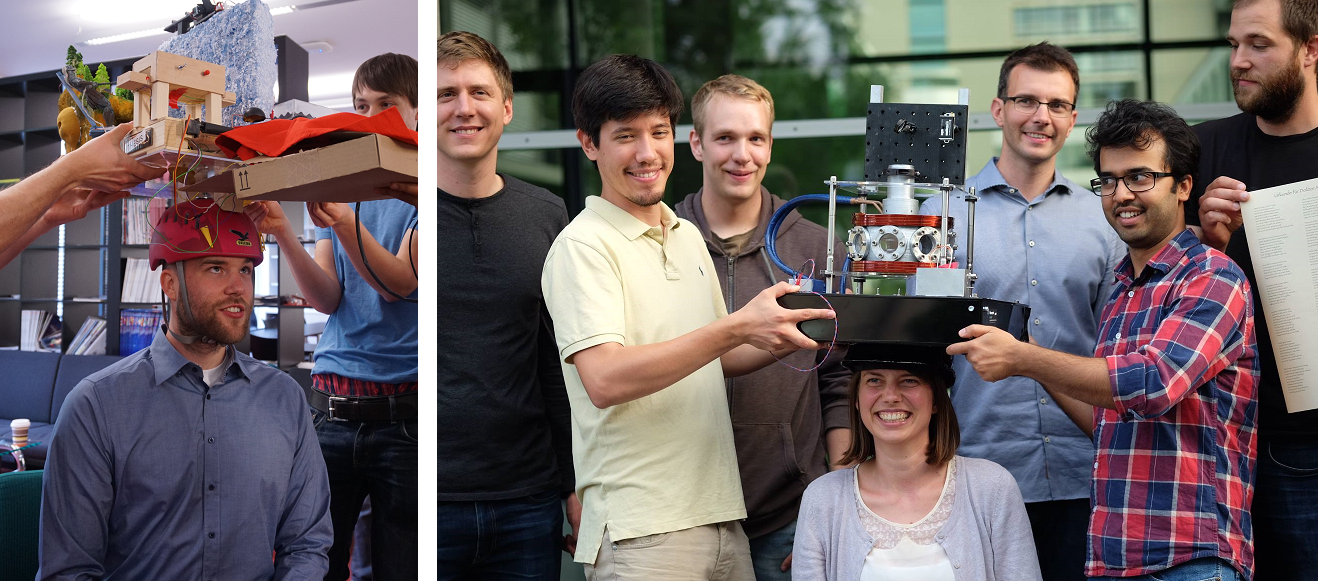
Mathias and Andrea recently finished their PhD theses. Mathias' thesis describes the observation of many-body pairing in the normal phase of a strongly interacting 2D Fermi gas in the BEC-BCS crossover using a spatially resolved RF spectroscopy method. Andrea's thesis investigates the preparation of strongly correlated few-particle fermi systems and the measurement of their momentum correlations with spin-resolved single-atom imaging.